
How to Keep Cut Flowers Fresh
Cut flowers bring a touch of natural beauty and elegance to any space, whether it’s a cosy home, a grand event, or a simple table setting. Here in the UK, where gardens bloom with a variety of flowers from roses to daffodils, ensuring that cut flowers remain fresh and vibrant for as long as possible is a common challenge. Many of us have experienced the disappointment of watching a beautiful bouquet wilt and fade far too quickly. The good news is that with the right care and techniques, you can significantly extend the life of your cut flowers and enjoy their beauty for days, or even weeks, longer.
This guide is designed to provide you with effective tips and techniques for maintaining the freshness of your cut flowers. From understanding the basic principles of flower care to learning specific tricks for different types of blooms, you’ll find everything you need to keep your arrangements looking their best. Whether you’re a flower enthusiast, a professional florist, or simply someone who loves having fresh flowers in their home, this guide will help you master the art of cut flower care.
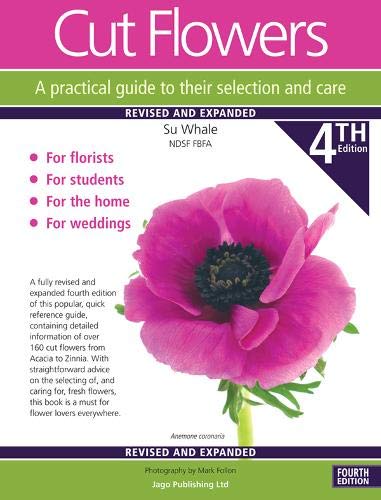
Cut Flowers by Su Whale
Understanding the care of cut flowers
The Science Behind Flower Lifespan
When flowers are cut, they are severed from their primary source of water and nutrients – the plant. This detachment starts a process of gradual decline. However, cut flowers can still absorb water and nutrients through their stems, which is crucial for prolonging their freshness. The key is to keep the stems hydrated and supplied with the necessary nutrients to delay wilting and browning.
Choosing Fresh Flowers
The journey to long-lasting cut flowers starts with selecting the freshest blooms. When buying flowers from a florist or supermarket in the UK, look for the following signs of freshness:
- Firm Stems: Stems should feel firm and not bend easily.
- Healthy Leaves: Leaves should be green and free from spots or discolouration.
- Tightly Closed Buds: Flowers that are slightly closed or just beginning to open will last longer than those that are fully bloomed.
- No Pollen Shedding: Avoid flowers that are already shedding pollen, as this indicates they are past their peak.
By selecting the freshest flowers, you set the stage for a longer-lasting display. Whether you’re purchasing from a local market or cutting them from your garden, the initial condition of the flowers plays a significant role in their longevity.
Prepping Your Flowers
Immediate Actions After Cutting or Purchasing
Once you’ve selected or cut your flowers, it’s crucial to get them into water as quickly as possible. Flowers can start to dehydrate within minutes, leading to wilting and a shortened lifespan. If you’re cutting flowers from your garden, take a bucket of water with you and place the stems in it immediately after cutting. When purchasing flowers, make sure to get them into water as soon as you get home.
Cutting Stems Properly
Properly cutting the stems is essential to allow maximum water absorption. Here’s how to do it:
- Cut at an Angle: Use a sharp knife or scissors to cut the stems at a 45-degree angle. This increases the surface area for water uptake and prevents the stems from sitting flat against the bottom of the vase, which can block water absorption.
- Underwater Cutting: If possible, cut the stems under water. This prevents air from entering the stems, which can create air pockets that block water uptake.
- Trim Every Few Days: Re-cutting the stems every few days ensures that they continue to absorb water effectively. Make sure to cut about 1-2 centimetres off the end of each stem.
Removing Foliage
Leaves that are submerged in water can rot and create bacteria, which can shorten the lifespan of your flowers. To prevent this:
- Strip the Lower Leaves: Remove any leaves that will be below the waterline in your vase. This reduces the risk of bacterial growth.
- Clean the Stems: Ensure that the stems are free from any debris or dirt before placing them in water.
The Perfect Environment
Water Quality and Temperature
The water you use for your flowers plays a significant role in their longevity. Here’s how to ensure the best conditions:
- Use Clean, Fresh Water: Always start with clean, room temperature water. Tap water is generally fine, but if your tap water is heavily chlorinated, consider using filtered water.
- Change Water Regularly: Change the water every two to three days to prevent bacterial growth. Each time you change the water, rinse the vase and add fresh water.
- Keep Water Levels High: Make sure the vase is filled with enough water to cover the stems by several inches. Flowers drink a lot of water, especially in the first few hours after being cut.
Ideal Temperature and Light Conditions
Flowers are sensitive to their environment. To keep them fresh for as long as possible, consider the following:
- Avoid Direct Sunlight: Place your flowers in a cool area away from direct sunlight, which can cause them to wilt quickly.
- Stay Away from Heat Sources: Keep your arrangements away from appliances that emit heat, such as ovens, radiators, and electronic devices. Excessive heat can accelerate the wilting process.
- Optimal Room Temperature: Flowers generally last longer in cooler conditions. Aim for a room temperature between 10-15°C (50-59°F) to help extend their lifespan.
By creating the ideal environment, you help maintain the health and appearance of your cut flowers. Proper water quality and the right conditions can significantly enhance their beauty and longevity, allowing you to enjoy your blooms for an extended period.
Flower Food and DIY Solutions
Commercial Flower Food
Commercial flower food packets, often included with purchased bouquets, are specially formulated to provide the essential nutrients that cut flowers need. Here’s how to use them effectively:
- Follow Instructions: Mix the packet with the correct amount of water as instructed. Too much or too little can be less effective.
- Benefits: These packets usually contain a mix of sugar (to feed the flowers), acid (to maintain the water’s pH level), and bleach (to reduce bacteria and fungi growth). This combination helps to keep the flowers vibrant and the water clean.
Homemade Solutions
If you run out of commercial flower food or prefer a DIY approach, there are several homemade solutions that can help extend the life of your flowers:
- Sugar, Vinegar, and Bleach Solution:
- Recipe: Mix 1 litre of water with 1 tablespoon of sugar, 1 tablespoon of white vinegar, and 1/2 teaspoon of bleach.
- How It Works: The sugar feeds the flowers, the vinegar helps maintain the pH balance, and the bleach prevents bacterial growth.
- Lemon-Lime Soda Solution:
- Recipe: Mix one part lemon-lime soda (non-diet) with three parts water. Add a few drops of bleach to prevent bacteria.
- How It Works: The soda contains sugar to nourish the flowers, and the bleach keeps the water clean.
- Apple Cider Vinegar and Sugar Solution:
- Recipe: Add 2 tablespoons of apple cider vinegar and 2 tablespoons of sugar to 1 litre of water.
- How It Works: This combination provides nourishment and helps maintain an acidic environment to deter bacteria.
By using commercial flower food or creating your own solutions, you can provide the necessary nutrients to your cut flowers and keep them looking fresh and vibrant for longer periods. Experimenting with different solutions can help you find the best method for your specific types of flowers.
Regular Maintenance
Ceramic Ribbed Vase
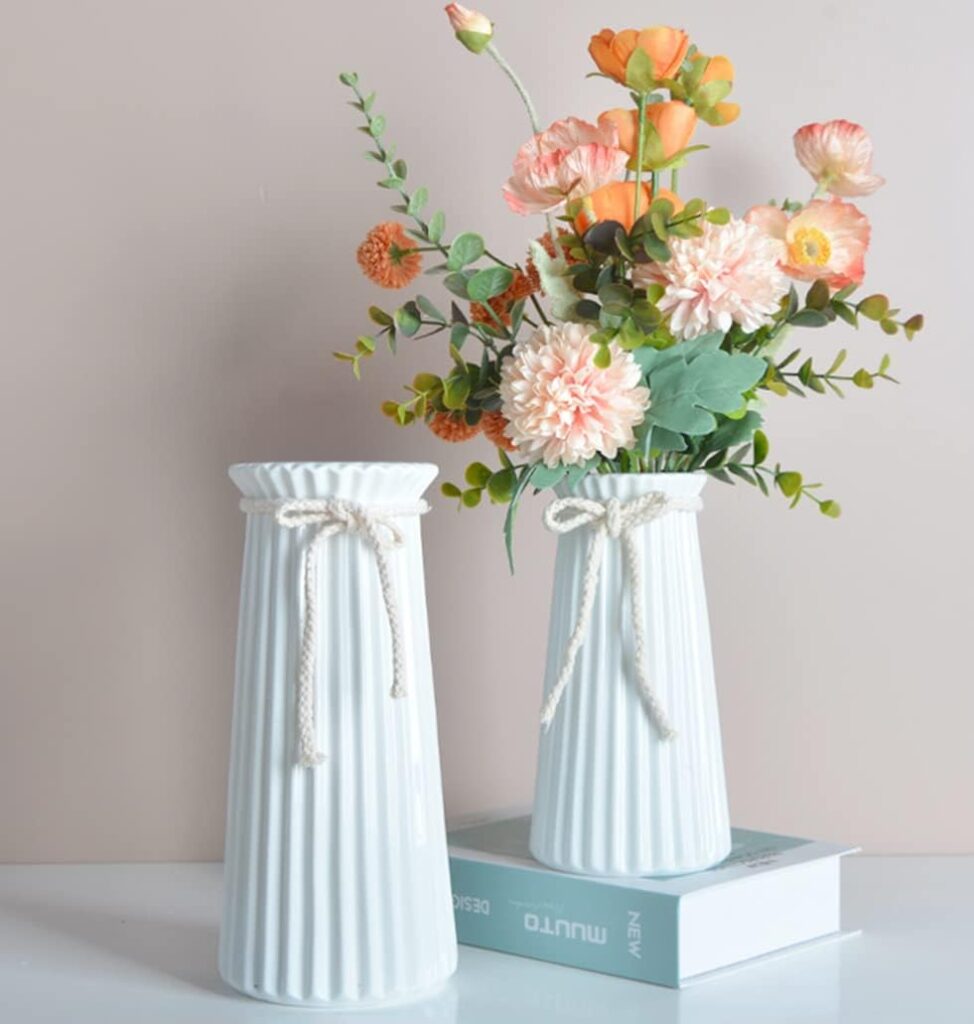
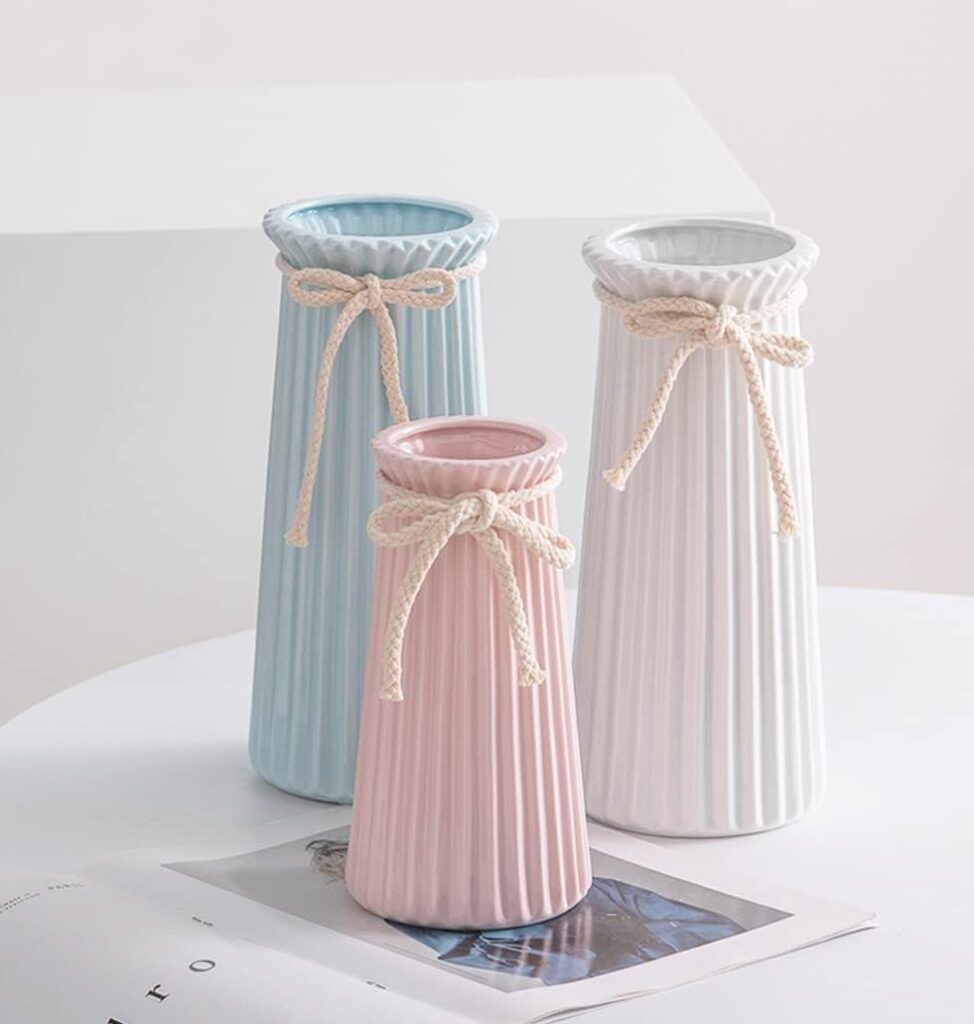
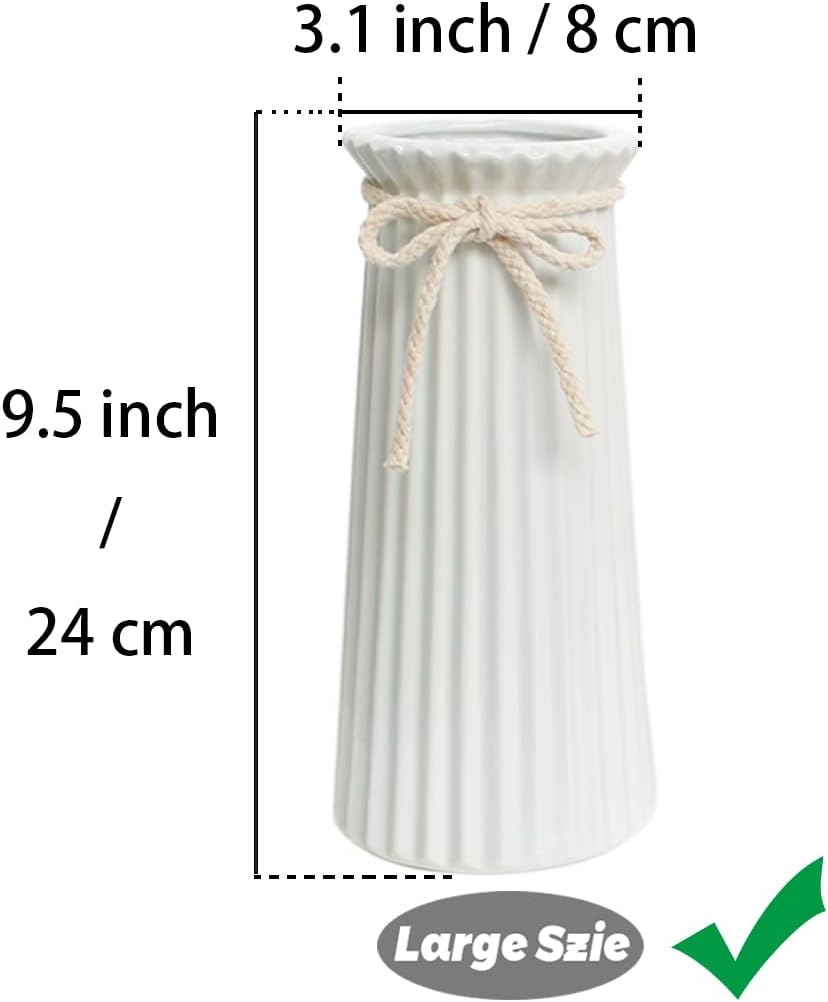
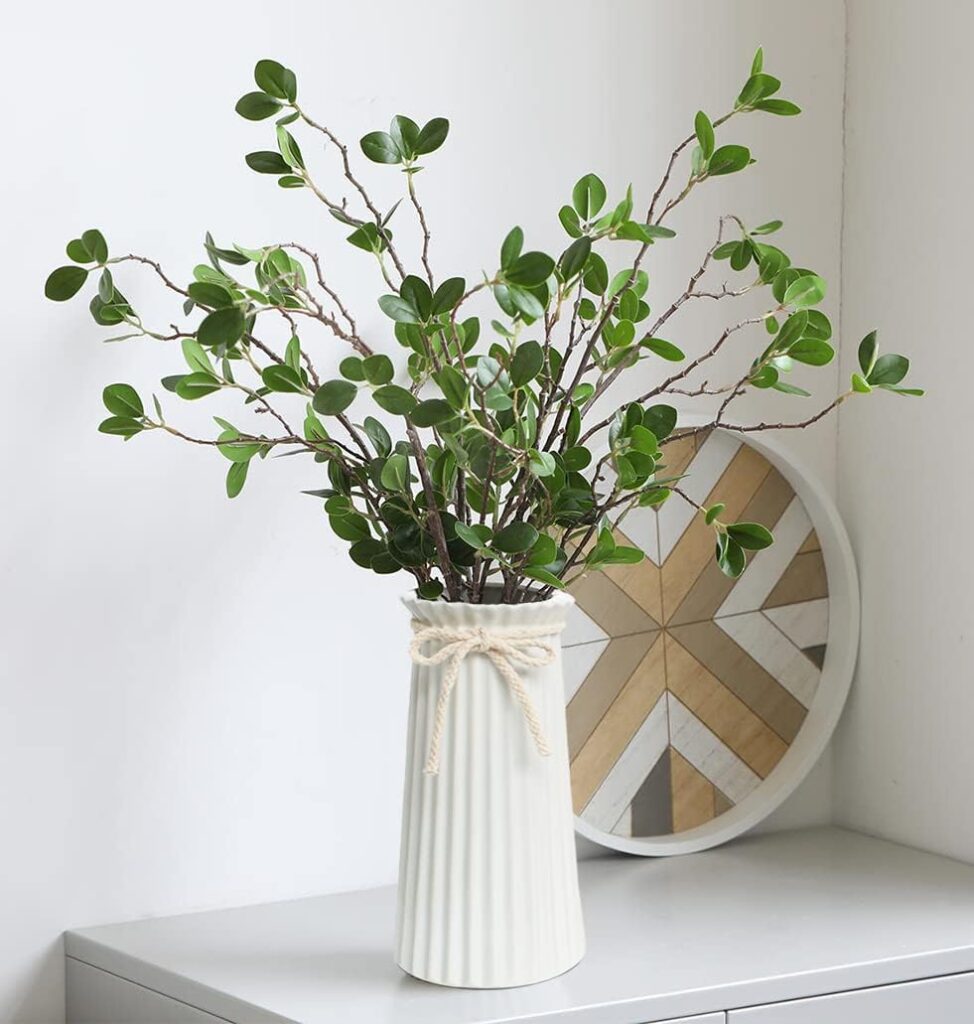
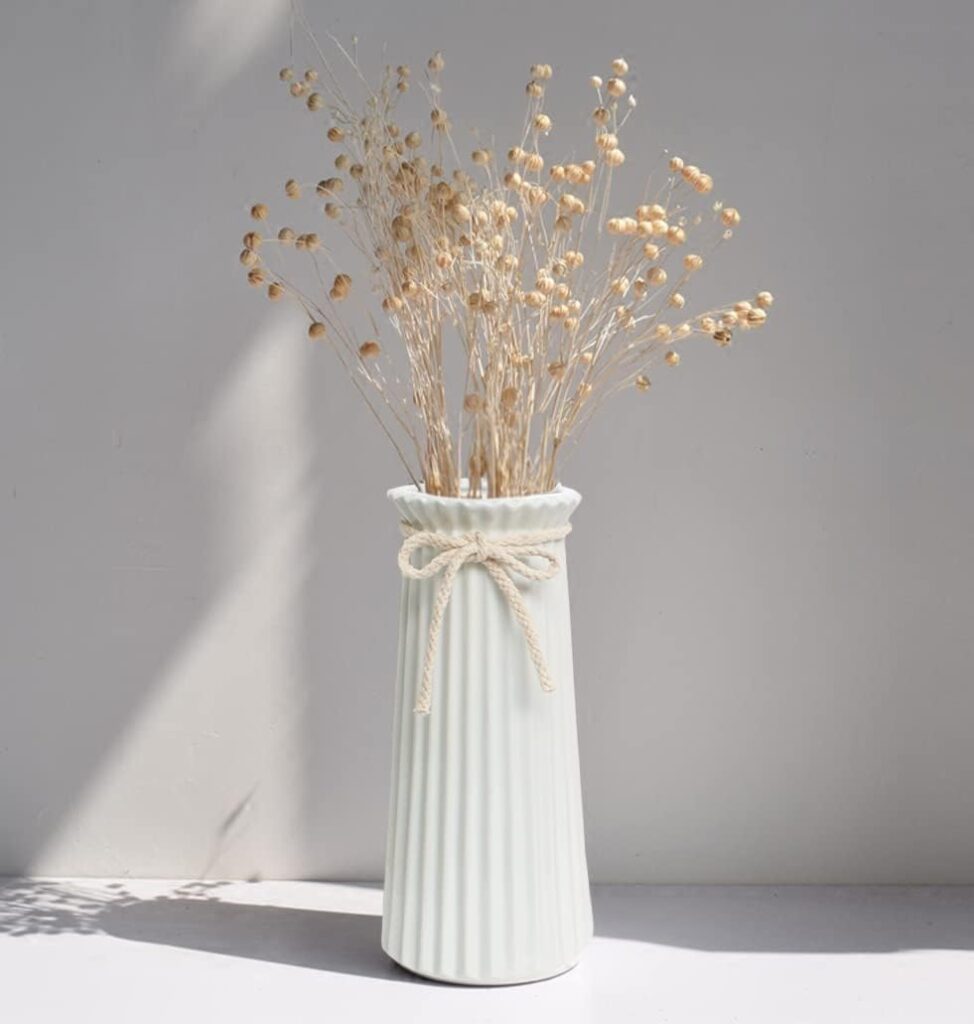
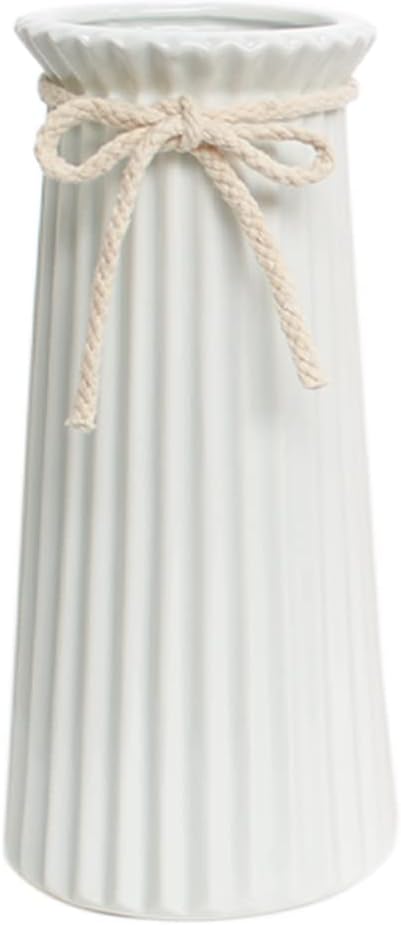
Although a minimalist design, this modern ceramic vase stands out with its stylish, curved shape and repeated lines. The rope bow adds a nice touch, but can be removed if wished. Available in 3 different colours and 2 sizes
Changing Water and Trimming Stems
Regular maintenance is key to keeping your cut flowers fresh. Here’s how to do it effectively:
- Change Water Frequently: Every two to three days, change the water in your vase. This helps to prevent bacterial buildup and ensures the flowers have access to fresh nutrients.
- Trim Stems Regularly: Each time you change the water, trim about 1-2 centimetres off the bottom of each stem at a 45-degree angle. This prevents blockages in the stems and improves water uptake.
Inspecting for Wilting or Decay
Keeping an eye on your flowers can help you catch any issues early and take action to prolong their freshness:
- Check Daily: Inspect your flowers daily for any signs of wilting or decay. Remove any dead or wilting flowers to prevent them from affecting the healthy ones.
- Remove Dead Foliage: Any leaves or petals that fall into the water should be removed immediately to prevent bacteria growth.
Misting Flowers
Misting flowers can help keep them hydrated and looking fresh, especially for certain types of flowers that thrive in humid conditions:
- Use Clean Water: Use a spray bottle filled with clean, room temperature water to lightly mist the petals and leaves.
- Frequency: Mist your flowers once or twice a day, depending on the humidity levels in your home and the type of flowers.
By incorporating these regular maintenance practices, you can help your cut flowers maintain their beauty and vitality for a longer period. Regular attention and care are crucial to maximising the lifespan of your floral arrangements.
Special Tips for Different Types of Flowers
Different flowers have unique needs and require specific care to stay fresh. Here are some tailored tips for a few popular types of flowers commonly found in the UK:
Roses
Roses are a classic choice for many occasions, but they can be delicate:
- Remove Thorns and Guard Petals: Carefully remove the thorns and the outermost petals, known as guard petals, to prevent them from wilting prematurely.
- Deep Water Soaking: Roses benefit from a deep soak. Fill the vase with plenty of water, ensuring that at least half the stem is submerged.
- Cool Storage: Store roses in a cool place or even in the refrigerator overnight to extend their freshness.
Tulips
Tulips continue to grow even after being cut, so they require special attention:
- Minimal Water: Use just a few inches of water in the vase. Tulips are prone to “drowning” if there’s too much water.
- Straightening Stems: To keep tulip stems straight, wrap the flowers in newspaper and stand them in cool water for a couple of hours before arranging them in a vase.
- Avoid Ethylene Gas: Keep tulips away from fruits, especially apples and bananas, as the ethylene gas they emit can cause tulips to wilt.
Orchids
Orchids are exotic and delicate, requiring a bit more attention:
- Lukewarm Water: Use lukewarm water for orchids, as cold water can shock them.
- Minimal Direct Sunlight: Place orchids in bright, indirect light to mimic their natural environment.
- Misting: Orchids thrive in humid conditions. Mist them regularly to maintain their moisture levels without over watering the roots.
Daffodils
Daffodils, a cheerful springtime favorite in the UK, have unique properties that require specific care:
- Separate Vase: When arranging daffodils with other flowers, use a separate vase for the first 24 hours. Daffodils exude a sap that can be harmful to other flowers.
- Conditioning Stems: After the initial 24-hour period, you can mix daffodils with other flowers, but avoid recutting their stems, as this releases more sap.
- Clean Water: Use fresh, clean water and change it regularly. Daffodils drink a lot of water, so keep an eye on the water level and refill as needed.
- Cool Environment: Place daffodils in a cool location, away from direct sunlight and heat sources, to prolong their vibrant blooms.
By following these specific tips, you can cater to the unique needs of different types of flowers, ensuring each type stays fresh and vibrant for as long as possible.
Extending the Life of Your Flowers Further
Diamante ‘Butterfly’ Vase
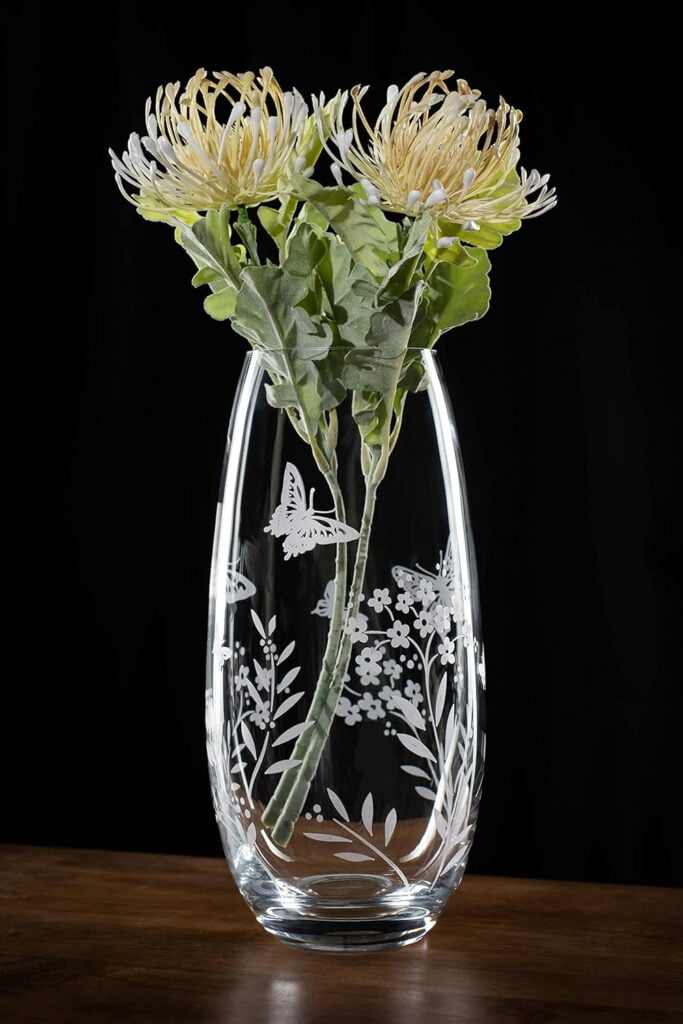

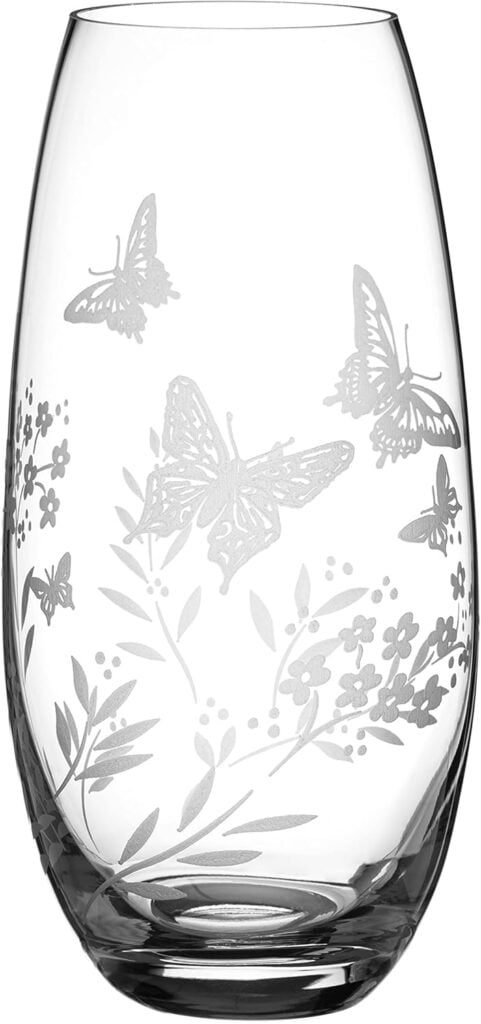
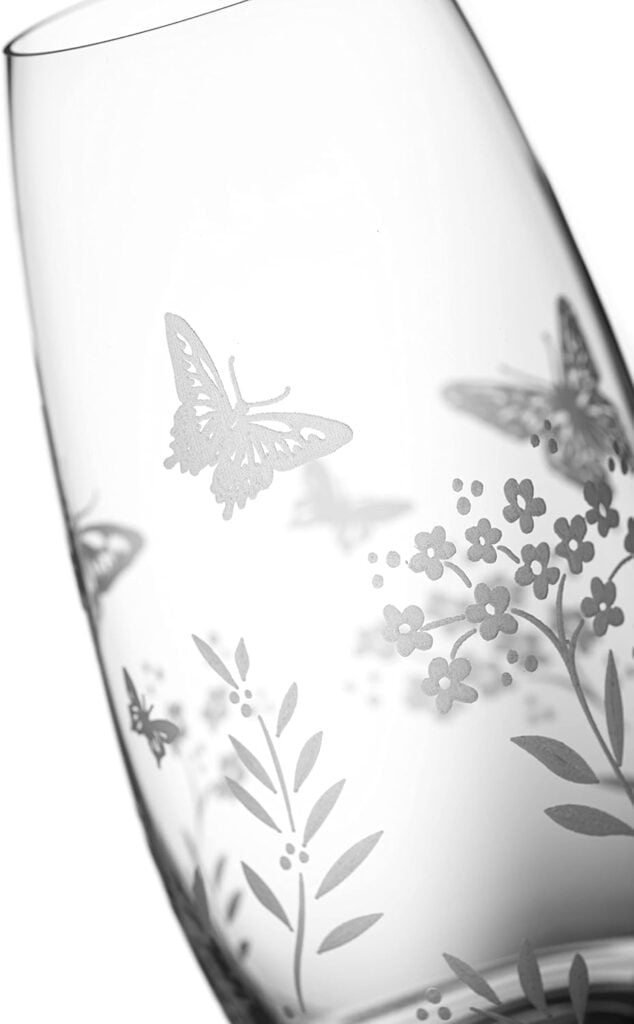

Made from premium lead free crystal, this beautiful vase stands at 25cm high. Etched with a lovely design of butterflies and flowers, this attractive vase is of high quality, is sturdy, and a good size and weight.
Refrigeration
Refrigeration can be a useful method for extending the life of your cut flowers, especially before an event or to keep them fresh overnight:
- Refrigeration Process: Place your flowers in the refrigerator overnight or for a few hours each day. Ensure the temperature is set to around 4°C (39°F).
- Preparation: Before refrigerating, remove any fruits and vegetables from the fridge, as they emit ethylene gas, which can cause flowers to wilt.
- Storage Method: Wrap the flowers loosely in plastic or paper to prevent them from drying out and to protect them from cold air exposure.
Reviving Wilting Flowers
If your flowers start to wilt, there are several techniques you can use to revive them:
- Submerging in Water: Submerge the entire flower (stems, leaves, and blooms) in a basin or sink filled with lukewarm water for 30 minutes to an hour. This can help rehydrate and revive the flowers.
- Boiling Water Method: For flowers with woody stems, such as roses, try cutting the stems at an angle and then dipping the ends into boiling water for about 30 seconds before placing them back into the vase with fresh water. This helps to clear any blockages in the stems and allows better water uptake.
- Using Floral Preservatives: Adding a bit of sugar or commercial floral preservative to the water can help give the flowers a quick energy boost.
By utilising these advanced techniques, you can significantly extend the life of your cut flowers, ensuring they remain a beautiful and vibrant addition to your home or event for as long as possible.
Conclusion
Cut flowers have the power to brighten up any space and bring joy to our lives, whether they are decorating a home, gracing a special event, or given as a thoughtful gift. Keeping them fresh and vibrant requires some knowledge and effort, but the results are well worth it. By understanding the science behind flower care, selecting the freshest blooms, preparing them properly, maintaining the perfect environment, and applying specific care techniques for different types of flowers, you can significantly extend the life of your arrangements.
From the basic steps of cutting stems and changing water to using commercial flower food and DIY solutions, each tip contributes to the longevity and beauty of your flowers. Regular maintenance, like trimming stems and inspecting for decay, along with advanced techniques such as refrigeration and reviving wilting flowers, ensures your flowers stay fresh and stunning for as long as possible.
We hope this comprehensive guide has provided you with the knowledge and tools to enjoy your cut flowers to the fullest. Whether you’re an avid gardener, a flower enthusiast, or someone who simply loves having fresh blooms around, these tips will help you master the art of cut flower care.